


/cloudfront-us-east-2.images.arcpublishing.com/reuters/JEUL2B5V7BJCFMRTKGOS3ZSN4Y.jpg "Hungary’s anti-LGBTQ law breaches international rights standards – European rights body")


/cloudfront-us-east-2.images.arcpublishing.com/reuters/DYF5BFEE4JNPJLNCVUO65UKU6U.jpg "The curious case of a map and a disappearing Taiwan minister at U.S. democracy summit")

/cloudfront-us-east-2.images.arcpublishing.com/reuters/UF7R3GWJGNMQBMFSDN7PJNRJ5Y.jpg "Blinken touts deeper U.S. engagement amid concern over ‘aggressive’ China")

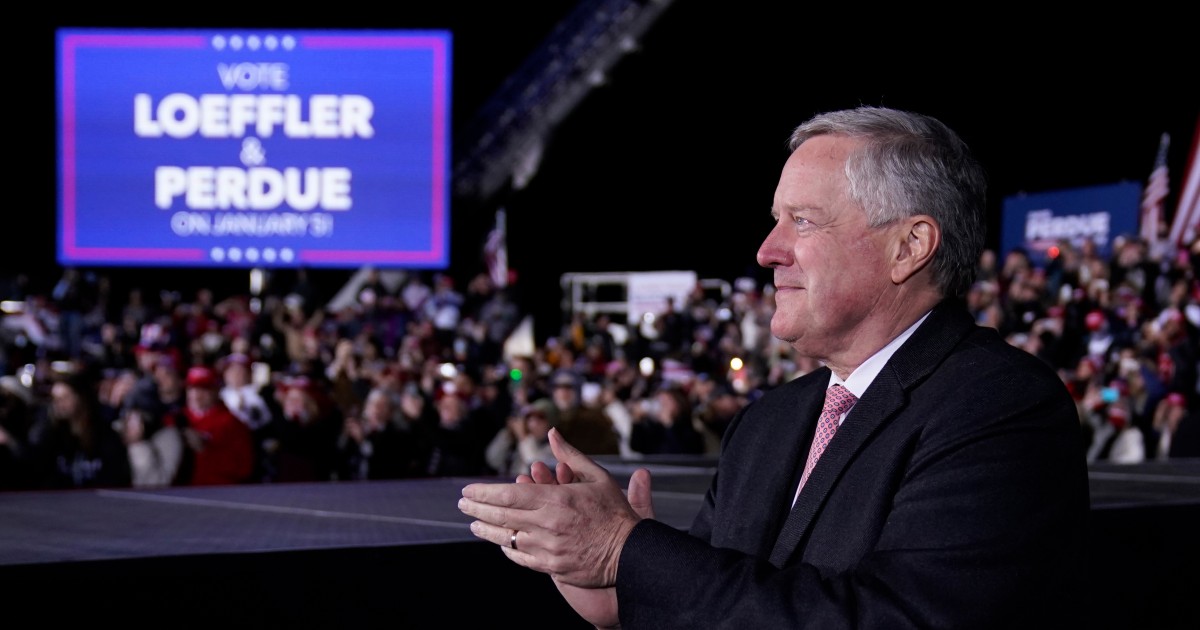


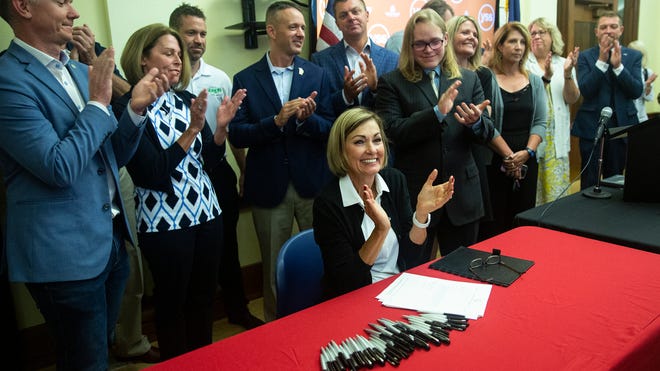



Valérie Hayer (FR, Renew Europe) and José Manuel Fernandes (PT, EPP) are members of the European Parliament and co-rapporteurs for the reimbursement of the EU economic plan and own resources.
Can we still trust the European Commission when it comes to repaying the European Union’s debts? The answer seems to be “no”. The only party that can count on the Commission is the United States.
The Commission is preparing to break a legally binding agreement it signed with MPs and EU ambassadors just a few months ago. According to the deal, the debt should be repaid with proceeds from new so-called “own resources”, including a Carbon Border Adjustment Mechanism (CBAM), additional fees through the emissions trading system (ETS) and a new EU digital tax. Today, all three of these new sources of revenue for the EU budget are in doubt.
This is a problem because there are only three ways to repay this debt: additional national contributions (i.e. additional tax money), cuts in European programs such as the Common Agricultural Policy (CAP) or Erasmus or making the digital giants big industrial polluters, foreign CO2 Importers and aggressive stock market players pay.
The third solution is the right one – and we negotiated it last year. The other two are unfair. And it would be strikingly ironic if the future-oriented EU budget were cut by 10 percent in order to reimburse a program called “Next Generation EU”.
Nonetheless, US pressure on CBAM and EU digital tax has shown the political weakness of this commission, which culminated last week in the decision to postpone the EU digital tax at the request of US Treasury Secretary Janet Yellen due to global tax reform negotiations the Organization for Economic Co-operation and Development (OECD).
The OECD / G20 preliminary agreement, which aims for a minimum global tax rate of 15 percent for companies, is a great achievement and is rightly supported by the Commission. However, the decision to postpone the EU digital levy is outrageous. As for its strategic interests, we expect a “geopolitical” commission not to give in to pressure from third countries. In the EU elections we did not vote for a European executive that put American interests above ours.
In addition, Washington sets several conditions for the final agreement. What would happen if the US Senate didn’t approve the deal? Regardless of whether a final agreement is reached or not, the EU digital levy would be an additional option to protect European interests and to ensure fair taxation beyond this agreement.
As if that were not enough, the Commission is also planning another unilateral decision today which will also postpone the other two new own resources for an indefinite period.
This is unacceptable. We call on the College of Commissioners to maintain its credibility by thinking strategically and acting in the interests of the EU citizens it is intended to serve.
We call on the Commission to take two measures: firstly, it must fulfill its obligation to submit the new own resources, including the supplementary EU digital contribution, as soon as possible.
Second, it should take advantage of the OECD / G20 agreement and transfer part of the revenue from this global reform of international taxation (around 50 billion euros in the EU) to the EU budget and the repayment of EU debts. Member States and third countries are not allowed to keep all the money for their national budgets and leave the EU to pay off their debts without new own resources.
The recovery plan must prepare for the building of an EU that will benefit Europeans for decades, implement the green and digital transformations and offer new and improved employment prospects. Without new resources, however, the Commission would leave a troubling legacy for future generations: past debts.
We did not promise them that and the Commission did not promise us that in December 2020. Therefore, we will do everything in our power to put an end to the weak decisions of the Commission and to do justice to those who do not currently pay a share of the taxes for the recovery – whether foreign powers like it or not.